
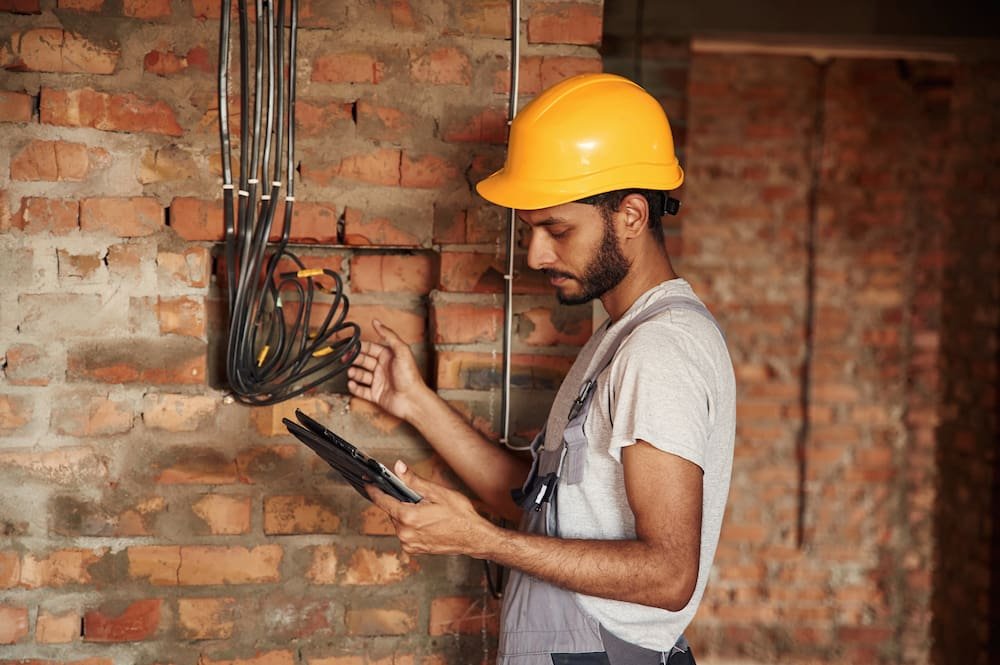
Wiring isn’t something homeowners usually think about, but behind the scenes, it plays a major role in keeping your home safe and functional. Over time, electrical systems wear down, and if they’re left too long without maintenance or upgrades, they can become a serious hazard.
If you’re unsure whether your house needs rewiring, this guide will help you understand the warning signs and when to bring in a professional.
When does a house typically need rewiring?
There’s no fixed timeline, but in most cases, houses over 25 years old that haven’t had any electrical updates are due for an inspection. Age alone doesn’t always mean rewiring is needed, but older systems often can’t handle the demands of today’s appliances and technology.
You should also consider rewiring if:
- You’re planning a major renovation
- You’re installing new high-powered appliances
- You’ve recently bought an older property
Rewiring early can save you trouble later, especially if you’re opening up walls for other work.
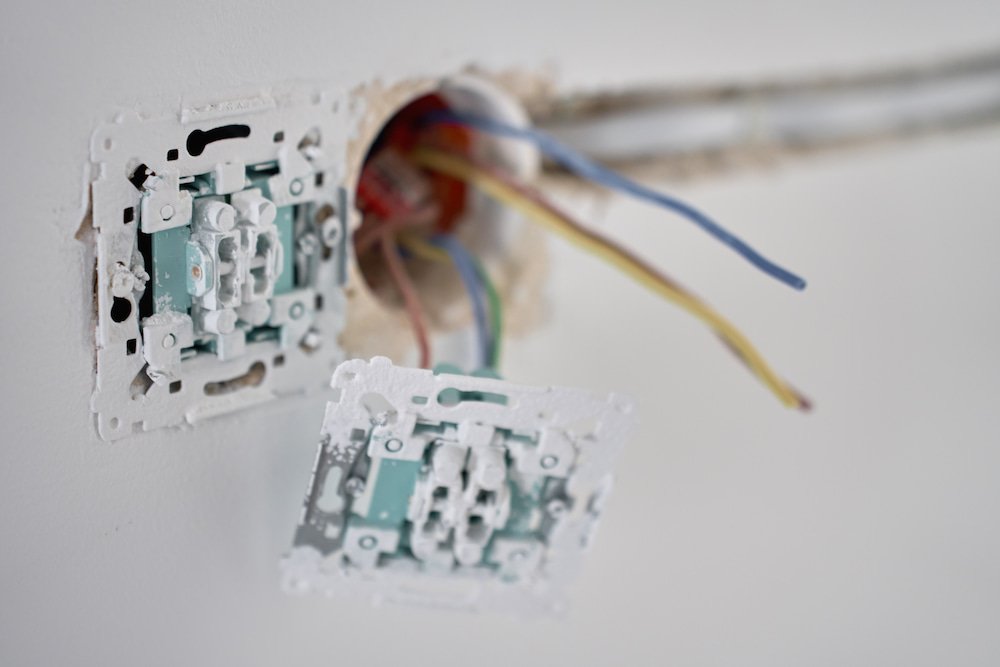
How do you know if a house needs rewiring?
Some signs are easy to spot, and if you notice more than one, it’s worth getting a proper check. Common warning signs include:
- Flickering or dimming lights
- Circuit breakers that trip frequently
- Buzzing sounds near sockets or switches
- Discoloured outlets or a burning smell
- Sockets that spark when plugging things in
- Old-style fuse boxes instead of modern consumer units
If your wiring is wrapped in black rubber, lead, or fabric, it’s outdated and potentially unsafe. These materials were used decades ago and degrade over time.
What happens during a rewire?
A full rewire involves replacing all electrical wiring, switches, sockets, and the fuse board. Depending on your layout and requirements, electricians may also install:
- Additional sockets for convenience
- Modern light fittings
- RCD protection to prevent shocks and electrical fires
The process can take anywhere from a few days to a couple of weeks, depending on the size of the property. Walls and floors may need to be opened up, but a well-organised team will keep disruption to a minimum and tidy up as they go.
If you’re curious about the process, you can read more on our wiring installation services page.
What should you do if you’re not sure?
If your home is older or showing signs of wear, book an electrical inspection. A qualified electrician will carry out a condition report to identify any safety issues.
From there, they’ll advise whether a full rewire is needed or if smaller updates can resolve the problem. Getting this done sooner rather than later can give you peace of mind and help avoid more serious issues down the line.
Final thoughts
Rewiring your home isn’t just about staying up to date. It’s about protecting your property, your safety, and your family. The sooner you act on warning signs, the better.
If you’re in doubt, or your home is due for a check, speak to a local professional. You can start with our expert wiring installation services and get advice tailored to your property.
References: